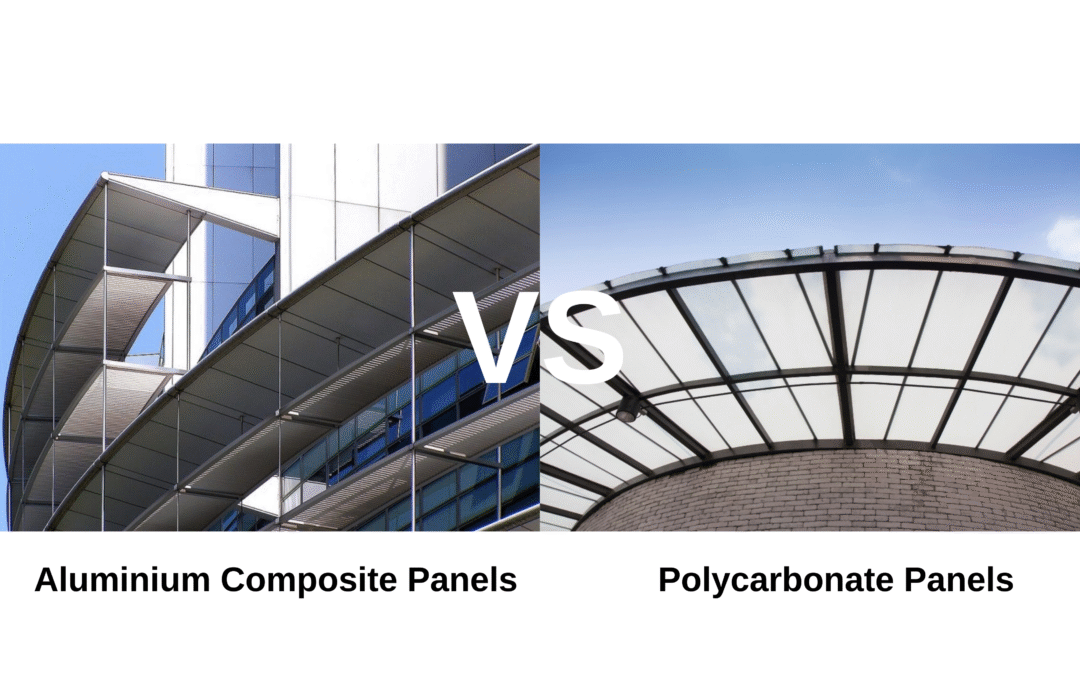
When it comes to modern construction, engineers and architects rely on a variety of materials to get the job done. To do this, materials scientists and engineers work together to develop new materials with special properties. Two of these materials include aluminium composite panels (ACP) and polycarbonate panels.
Lightweight, affordable, possessing good thermal insulation and easy to work with, aluminium composites and polycarbonates are an industry standard and are widely used in construction, with each material fulfilling specific purposes.
Aluminium Composite Panels
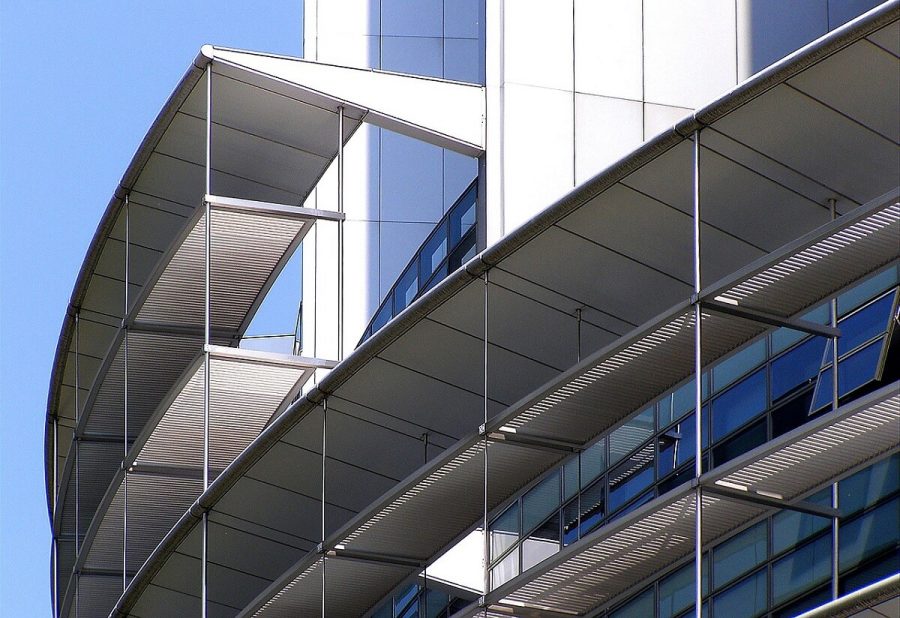 Image via Pixabay.com
Aluminium composite panels consists of a soft, shock absorbent core sandwiched between two layers of aluminium metal sheets.
ACP cores often consists of polyethylene or polyurethane, which provide good thermal resistance, sound insulation and water-proofing while also being lightweight and affordable. A typical 2mm ACP measuring a square meter weighs about 2.8kg, with 3mm thick panels weighing about 3.8kg and 4mm at about 4.75kg.
Mineral wools are also used as cores but are slightly denser and heavier (polyethylene = ~0.88 – 0.94g/cm3; mineral wool = ~1.00 – 1.3g/cm3) which can add to weight significantly.
Aluminium composite panels are most often used as both internal and external awning for buildings but are also used in signage, machine coverings, false ceilings, partitions and container.
Advantages of aluminium composite panels
Aluminium composite panels in Malaysia offer obvious advantages over other material types. In addition to affordability when compared to comparable alternatives, the material is lightweight, durable and weather and corrosion resistant (resistant to rust and damage when exposed to rain, chemicals and UV radiation) as well as being highly thermal resistant and insulating. The material is also stain resistant and maintenance free.
Perfect for construction
Aluminium composite panels are also highly versatile and can be manufactured into a variety of sub-types including panels that come in single units, high thermal resistance, structural strength, removable, low cost and surface treated. The panels are also highly malleable and can be molded into concave and convex shapes.
For building developers, these properties provide an overall high cost savings in terms of heating and cooling, as well as reducing installation, manufacturing and transportation costs. This in turn minimizes green house gases emissions and environmental damage. The ease of attaching the panels to a building’s sub-structure adds to its popularity.
In addition, aluminium sheets can be anodized in a variety of colours and finishes that can be used to create exceptionally beautiful structural designs without becoming excessively expensive.
Disadvantages of aluminium composite panels
The disadvantage of plastic (PE) cores is that they are not fireproof and have been implicated in the spread of fires in buildings where such panels are used. ACPs with mineral-filled or mineral wool cores offer a safer alternative by significantly reducing fire risk.
Although aluminium sheets are durable and resistant to weathering, the metal is relatively soft and can bend or scratch when struck by harder objects. While reinforcement can improve strength, it would negate the panels’ main advantages of being lightweight and flexible.
Water leakage may occur if the panel joints are not properly sealed. Poor workmanship or the use of unsuitable sealants can further contribute to leakage (see roof waterproofing).
______
Looking for a stylish and long-lasting ACP Awning in Johor Bahru? click here to view more
______
Polycarbonate Panels
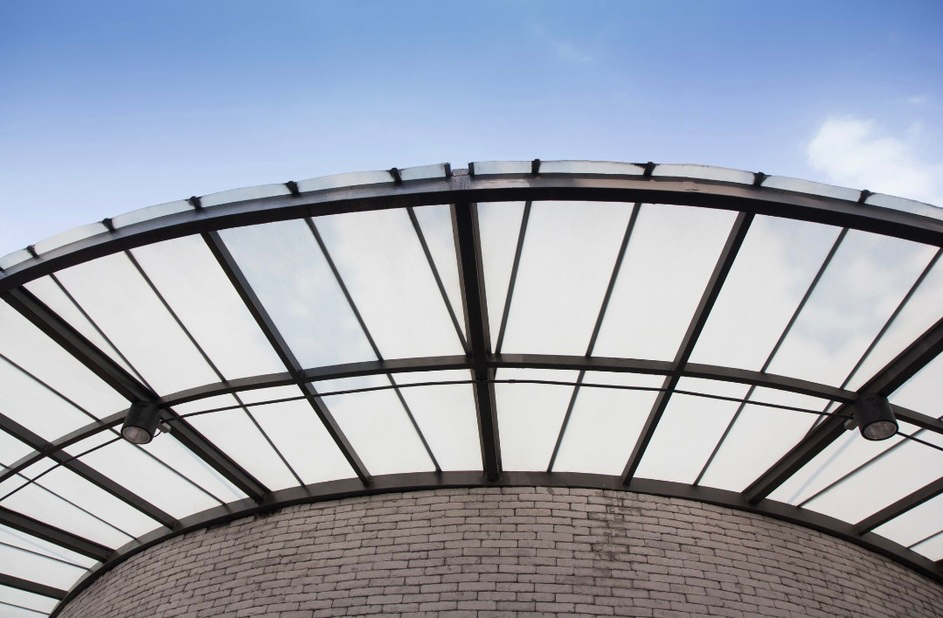
Polycarbonates panels are a type of thermoplastic material that’s popular for its high-impact resistance, panels are used mainly as an alternative to glass which are heavy, fragile and pose a safety hazard if broken.
Polycarbonate panels are manufactured by heating polycarbonate grains to about 147oC before running the material through a die or mold under pressure. Additives are added to the melted polycarbonate grains to give it different properties. In most cases, the polycarbonate grains are synthesized from phosgene and Bisphenol A via a step-growth polymerization processes.
Polycarbonate uses
Unlike aluminium composite panels, panels made from polycarbonate plastics let in natural sunlight into interior spaces, and are ideal for walls, windows, skylights and other applications where it’s desirable to let natural sunlight in – ideal for offices, commercial spaces or vehicle garages.
Polycarbonates in Malaysia are popular in construction. The trend toward polycarbonate structures has been increasing over the years due to property owners wanting more natural sunlight into their spaces. Polycarbonate properties means that materials made from it stability and flexibility in construction,
Advantages of polycarbonate panels
In addition to translucency, polycarbonate panels are also durable and tough while also providing high thermal insulation. They are also relatively easy to manufacture, transport and install, which helps reduce overhead costs. In addition, the material can be shaped and molded to fit their role (polycarbonate injection molding).
Translucent polycarbonate panels provide qualities of that glass panels do but are not heavy and fragile and are therefore polycarbonate roofing provide an optimal solution. Light and strong, polycarbonate is also suitable in applications for load-bearing horizontal planes that glass panels would otherwise be not suited for. Other examples of the applications of polycarbonate panels are in glass pool walls, dome lights and sound walls.
Like aluminium composite panels, polycarbonates also rate high in energy savings and ease of maintenance, which contributes significantly to long-term savings.
Disadvantages of polycarbonate panels
Polycarbonate is relatively expensive compared to other types of plastic and glass. The material is only fairly resistant to chemical exposure (particularly to organic solvents) and tend to scratch easily. They can’t be cleaned with abrasive cleaners that contain alkaline solvents. Polycarbonates may also pose a health hazard if vapourized, but the evidence for this is weak.
Stronger concerns are in the manufacturing process of polycarbonates, where the process often involves heating phosgene to high temperatures which produces chlorine (sodium chloride, NaCl) that is harmful to both the environment and human health. See https://toxnet.nlm.nih.gov/cgi-bin/sis/search/a?dbs+hsdb%3A%40term+%40DOCNO+6368
______
Looking for a stylish and durable Polycarbonate Awning in Johor Bahru? Click here to view more.
______